
Episode 39 with Rob Campbell
Building People, Not Just Results
Featuring Rob Campbell | Tales of Leadership Podcast Ep. 39
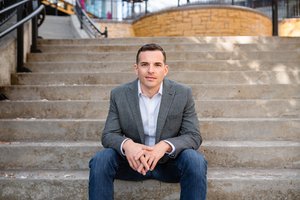
Rob Campbell’s leadership journey is rooted in service, growth, and a deep understanding that leadership is ultimately about people. A retired Army colonel, author, coach, and speaker, Rob reflects on a 27-year military career that began not with a clear sense of calling, but with a decision to join the Army for opportunity and direction. Over time, the military shaped not only his career but also his character. What started as a practical choice became a lifelong leadership laboratory—one that stripped away selfishness, exposed immaturity, and forged a deeper understanding of what it means to influence others well.
One of the clearest lessons from Rob’s story is that leadership matures through experience. Early in his career, he admits he was immature and at times believed leadership meant force, control, and intensity. But over time, he learned that real leadership is human. It is not rooted in anger or positional power. It is built through trust, connection, and the willingness to know people beyond their roles. Leadership is influence, but that influence is only sustainable when it is built on trust and genuine human connection. That lesson became a recurring theme throughout the conversation and shaped how he led at every level.
A major part of that growth came through examples—both good and bad. Rob shared how a few leaders early in his career took the time to counsel him, challenge him, and invest in him as a person. That left a lasting impression. At the same time, he saw many examples of leaders who failed to do that, which also helped shape the kind of leader he wanted to become. The result was a leadership style built around the idea of becoming the leader you always wished you had. That mindset carried forward into his commands and became especially important as his span of influence grew.
As the discussion turned toward defining leadership, Rob grounded his view in a simple but powerful truth: leadership is influence. But he went beyond the definition and emphasized what makes that influence credible. Vulnerability, humility, and authenticity are not soft traits—they are essential ones. Rob talked about the importance of allowing people to see you as a human being, not just a title or a rank. That includes being open about your story, your strengths, your weaknesses, and the life experiences that shaped you. When he took brigade command, he did not lead with a polished military bio. He shared who he was as a person. He wanted those in the organization to know Rob Campbell, not just the rank on his chest.
That decision speaks to one of the strongest themes in the episode: trust is built when leaders move from image management to authentic connection. Rob explained that people already know you do not have all the answers. What matters is whether you are confident enough to admit that, invite input, and create space for others to contribute. Especially as leaders become more senior, the need to foster that environment becomes even more important. Authority can easily silence teams if it is not balanced by humility. Rob’s perspective makes it clear that strong leaders are not weakened by vulnerability—they are strengthened by it.
The conversation also explored the evolution of leadership as responsibility grows. Rob laid out the shift that occurs from company-grade leadership to field-grade leadership and beyond. Early on, leaders are directly tied to the work and can influence outcomes with immediate action. But as they rise, the job changes. The role becomes less about doing and more about seeing the bigger picture, shaping direction, and trusting others to execute. That shift requires maturity. It requires leaders to stop clinging to tactical control and start adapting to the needs of the position. As leadership responsibility grows, success depends less on what you do personally and more on how well you develop, guide, and empower others.
That same principle showed up in Rob’s thoughts on mission command and delegation. The temptation for leaders to jump back into the weeds never fully disappears, but maturity means understanding the role you now occupy. Rather than asking what you prefer to do, great leaders ask what the position requires. They adapt themselves to that responsibility. Rob emphasized that many leaders struggle at this transition because they stay loyal to the work they used to do instead of embracing the broader leadership function they now hold. His challenge was clear: be loyal to the role, not your comfort zone.
Another powerful thread throughout the episode was the importance of defining what matters most. Leadership philosophy, in Rob’s view, is less about writing the perfect statement and more about understanding what is truly important to you. Those are the things that remain steady even as circumstances change. People, development, trust, and organizational excellence were consistent anchors in his leadership. And if those things really matter, they must show up in your calendar, your decisions, and your daily life. What leaders say they value means very little if their time and actions tell a different story.
The final portion of the conversation shifted into life after the military and the challenge of transition. Rob’s insights here were especially strong. He explained that many veterans are asked the wrong question when they leave service. The world asks, “What do you want to do next?” when the more important question is, “Who are you?” That distinction matters because military service often gives people an identity, a mission, and a built-in sense of purpose. Once that structure is gone, many people grab for the first available paycheck rather than doing the harder work of figuring out who they are and what actually fulfills them. Rob’s own transition reflected that struggle, but also the clarity that comes when purpose becomes the guide.
He described how he discovered his core purpose—to make a difference in the lives of others through optimistic leadership—and how that led him into writing, coaching, speaking, and entrepreneurship. He did not have the entire path figured out when he retired, but he knew the deeper mission that would guide it. That purpose became the bridge between military service and the next chapter of his life. His perspective offers a meaningful lesson for any leader, not just those in uniform: if you do not know who you are, you will chase things that look successful but leave you empty.
Final Thoughts
Rob Campbell’s story is a reminder that leadership is not built through titles, toughness, or control alone. It is built through reflection, humility, and the willingness to invest in people over time. The strongest leaders are not the ones who pretend to have it all figured out. They are the ones who know what matters, stay grounded in who they are, and help others grow along the way. If you want to lead well, start by knowing yourself, valuing people deeply, and building trust that lasts longer than your title ever will.
After Action Review (AAR)
Are you leading from positional authority, or are you building trust through authenticity and connection?
What values are truly important to you—and do your calendar and actions reflect them?
If your current title disappeared tomorrow, would you still be clear on who you are and what purpose drives you?
Tales of Leadership Mission: To develop Purposeful Accountable Leaders (PAL) by arming you with the tools
required to lead with purpose, integrity, and accountability.
More Exclusive Content













Lieutenant Colonel Michael Brabner’s journey from infantry combat leader to military robotics innovator shows how leadership can transform even the largest organizations. In this episode, he shares raw lessons from combat, where the absence of simple tools like soldier-borne sensors cost lives, and how those experiences fueled his drive to reshape the military’s approach to unmanned systems. Brabner reveals how visionary leadership—rooted in Boy Scout values, hardened in Ranger School, and tested in combat—has turned fragile, expensive assets into modular, mission-ready tools that give soldiers a decisive edge. His story is a powerful reminder that disruptive change requires both innovation and leaders willing to challenge the status quo.